In a world where mental health challenges are increasingly recognized, depression treatment has become a vital aspect of supporting those who struggle with persistent feelings of sadness, hopelessness, and a lack of motivation. Depression is not simply a passing phase or a sign of weakness; it is a complex medical condition that affects the brain’s chemistry and influences every area of a person’s life. This makes depression treatment essential—not only to relieve symptoms but to restore balance and improve overall well-being. Early and appropriate intervention can transform lives, offering hope and a path to recovery for those affected.
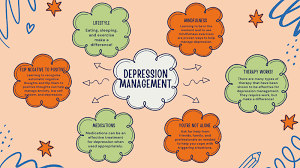
Effective depression treatment often requires a comprehensive and personalized approach because depression manifests differently in every individual. While some people might experience deep emotional pain, others may suffer from physical symptoms such as fatigue or changes in appetite. Treatment options range from therapy and medication to lifestyle adjustments and support networks. These components work together to address the biological, psychological, and social factors contributing to the disorder.
Psychotherapy is a cornerstone of depression treatment where individuals work with trained professionals to explore their thoughts, feelings, and behaviors. Therapies like cognitive-behavioral therapy (CBT) help patients identify negative thinking patterns and develop healthier coping mechanisms. Talk therapy provides a safe space to express emotions and gain insight, fostering self-awareness and resilience. Meanwhile, medication can also play a critical role, especially in cases of moderate to severe depression. Antidepressants help regulate brain chemicals, allowing individuals to function better and participate more fully in therapy and daily life.
Beyond therapy and medication, lifestyle changes are an important aspect of depression treatment. Regular exercise, a balanced diet, and sufficient sleep can significantly impact mood and energy levels. Social support from friends, family, or support groups also enhances recovery by reducing isolation and offering encouragement. Many find that combining these elements leads to more sustained improvement and a better quality of life.
It is crucial to recognize that recovery from depression is a gradual process that requires patience and persistence. Setbacks may occur, but with ongoing support and adjustment of treatment plans, most people can manage their symptoms effectively. The stigma surrounding depression often prevents individuals from seeking help, yet the truth is that with the right depression treatment, recovery is achievable.
Ultimately, depression treatment is about reclaiming control over one’s life and rediscovering hope. It empowers individuals to overcome the weight of depression and rebuild a future filled with possibility and well-being. Through compassionate care and evidence-based practices, those affected can find a way forward toward healing and renewed strength.
0 Comments